
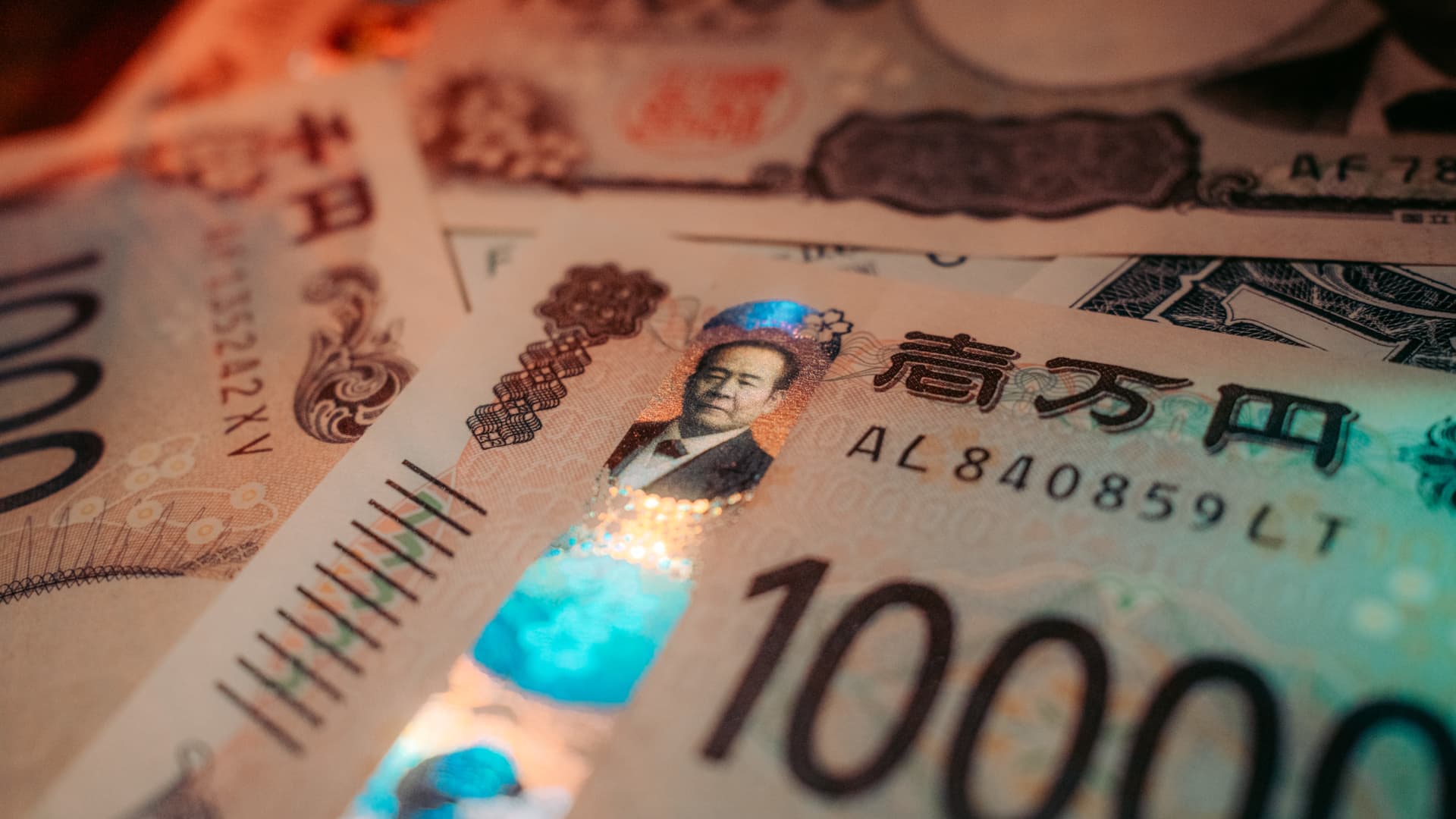
Japan’s recent aggressive efforts to bolster the value of the yen may have backfired in a surprising way, effectively providing investors with a golden window to amplify their carry trade strategies. Rather than deterring speculators, the sudden spike in the currency’s value following a joint U.S.-Japan intervention appears to have given market players a chance to reset their positions at more favorable rates. Recent data from the Ministry of Finance reveals a massive shift, showing that Japanese investors net bought more than 5 trillion yen in foreign equities and long-term bonds over a two week period ending August 15, marking a stark reversal from previous selling trends.
Market analysts suggest that instead of abandoning the strategy of borrowing cheap yen to invest in higher yielding overseas assets, many saw the temporary rally as an opportunity to reload. Jesper Koll, an expert director at Monex Group, noted that these interventions essentially turbo charged the carry trade for long term investors. He argues that as long as the cost of capital remains significantly lower in Japan than returns available abroad, the incentive to move money out of the country will persist regardless of occasional government interference.
The effectiveness of these official measures has proven fleeting. While authorities managed to jolt the yen upward from around 164 per dollar to roughly 155, much of those gains evaporated quickly as the currency slid back toward 159 against the greenback. This volatility reinforces a growing belief among traders that any surge in yen strength is merely a buying opportunity for non-yen assets rather than a sign of a permanent trend shift. Strategists like Francis Tan from Indosuez Wealth Management argue that intervention only treats a symptom without curing the underlying disease, which is the deep structural gap between Japanese interest rates and those of other major economies.
Institutional players, including pension funds and asset managers, continue to lean into this divide by swapping low yielding yen for higher yielding G10 currencies such as the Australian dollar and U.S. Treasuries. Even though some speculative leveraged funds have reduced their overall short positions due to fear of further government action, seasoned traders are already re-establishing bullish bets on the dollar_yen pair. For these investors, every state sponsored rally serves as nothing more than a better entry point to bet on future weakness, leaving the Japanese government locked in a difficult battle against global economic fundamentals.