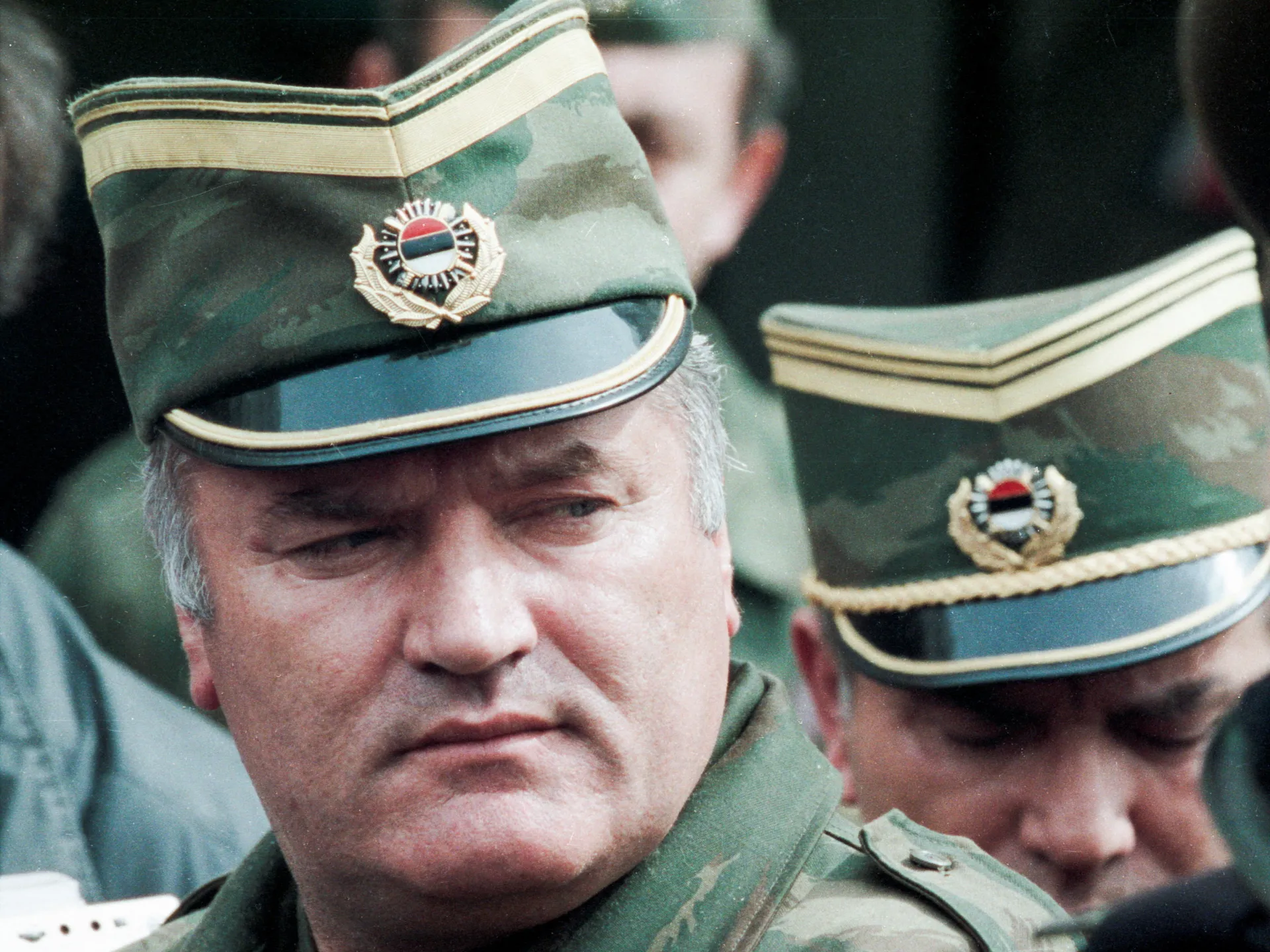
Ratko Mladic, the former Bosnian Serb general serving a life sentence for genocide and crimes against humanity, has died at age 84. The United Nations tribunal in The Hague confirmed that the man often referred to as the butcher of Bosnia passed away while hospitalized at a UN prison facility in the Netherlands. Judge Graciela Gatti Santana has already ordered a full inquiry into the circumstances surrounding his death, which was also confirmed privately by members of Mladic’s family.
Mladic rose to notoriety during the brutal conflict between 1992 and 1995, where he commanded troops in a violent campaign to create a Serb mini-state through ethnic cleansing. His legacy is defined primarily by the orchestration of the Srebrenica massacre in 1995, where at least 8,000 Bosniak boys and men were murdered in what became Europe’s worst atrocity since World War II. Throughout his trial, Mladic remained defiant, shouting that the court consisted of liars and refusing to recognize its authority even as he was convicted in 2017 for crimes described as some of the most heinous known to humankind.
The reaction to his passing highlights the deep divisions that still linger in the region nearly thirty years later. While Bosnian Serb separatist leader Milorad Dodik characterized his death as a murder and praised him as a defender of the Serbian people, survivors and advocates view his end differently. Remir Suljagic, head of the Srebrenica memorial, emphasized that death does not erase history or uncover mass graves, noting that glorifying Mladic would be an insult to those he slaughtered. For others, like Kada Hotic who lost her husband and son to Serb forces, there is a sense of closure knowing that Mladic died in disgrace behind bars rather than being granted early release.