
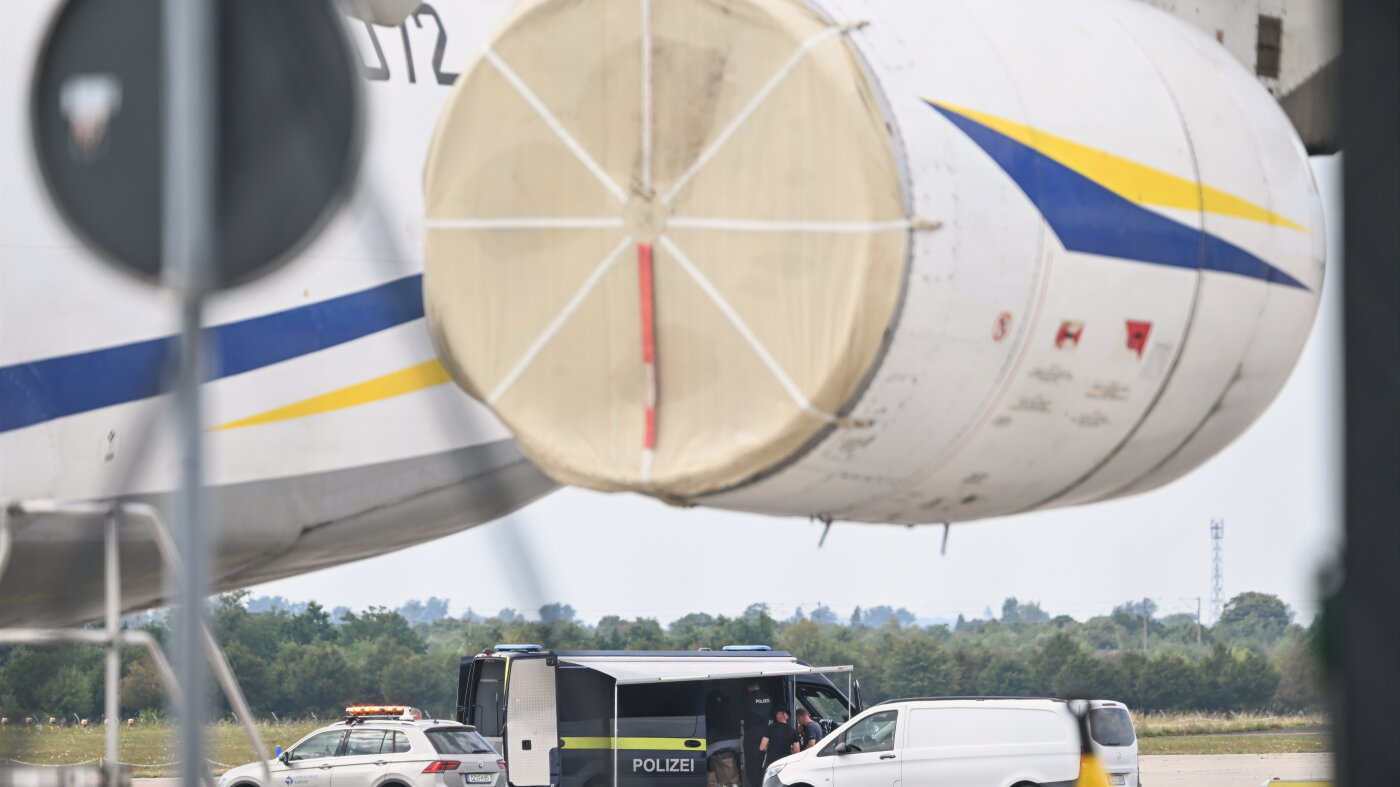
The German government has formally accused Russia of orchestrating an attempted drone attack at Leipzig/Halle Airport last month, marking a sharp escalation in tensions between Berlin and Moscow. The incident occurred on August 4 when a drone equipped with an explosive device was discovered near a Ukrainian aircraft. While the device was successfully defused by specialists, German officials described the event as representing a new and dangerous level of threat within their borders.
Interior Minister Alexander Dobrindt stated that investigators identified specific configurations and components in the drone that mirror patterns seen in previous Russian hybrid operations and activities during the war in Ukraine. According to Dobrindt, while the technical planning behind the device suggested a high degree of expertise from state actors, the actual execution appeared to be carried out by low-level agents acting on behalf of Russian entities. This finding aligns with wider concerns among Western officials regarding a persistent campaign of sabotage designed to destabilize European nations and erode support for Kyiv.
In response to these findings, Germany is implementing several punitive measures, most notably the closure of the Russian consulate in Bonn effective September 18 and the eventual shutdown of the Russian House cultural center in Berlin. Foreign Minister Johann Wadephul noted that these steps were necessary after Russia chose to deliberately damage bilateral relations through such an attack. Additionally, Germany intends to push for expanded EU sanctions against individuals involved in hybrid warfare and will tighten entry controls for Russian citizens while increasing pressure on the so-called shadow fleet of oil tankers bypassing international sanctions.
Moscow has swiftly denied any involvement, with spokesperson Maria Zakharova dismissing the accusations as a contrived pretext used by Berlin to escalate diplomatic friction. President Vladimir Putin went further, suggesting that evidence had been planted to distract Germans from domestic political failures. Despite these denials, NATO Secretary General Mark Rutte expressed full solidarity with Germany, framing the event as a clear example of a Russian hybrid attack aimed at one of Europe’s primary logistical hubs for military and humanitarian aid.