
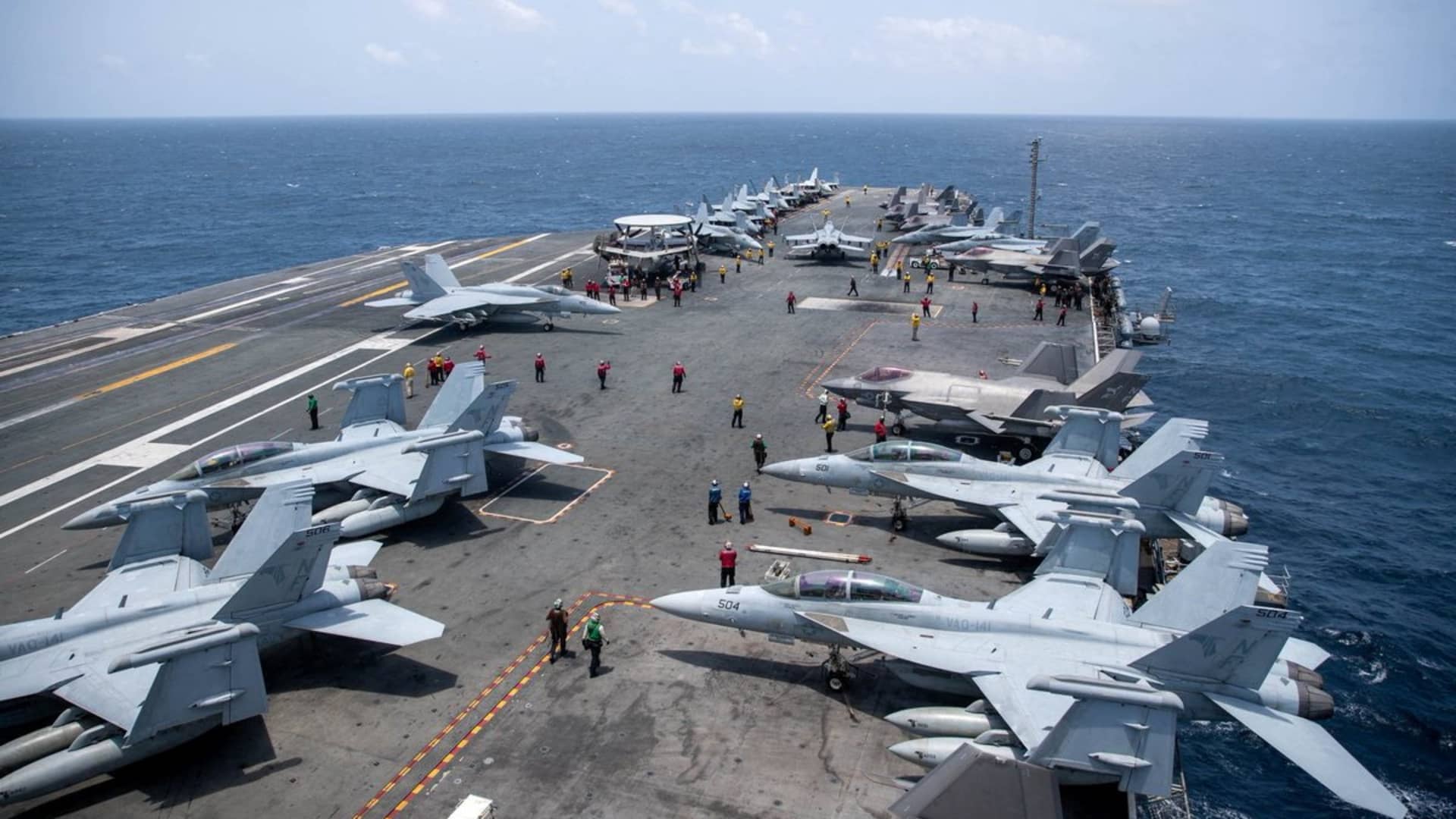
The U.S. military has facilitated the movement of more than 660 million barrels of crude oil through the Strait of Hormuz since early May, according to recently released data from Central Command. Navy Captain Tim Hawkins stated that approximately 1,300 commercial vessels have successfully navigated the critical waterway during this window, asserting that multiple routes remain open for transit. While these numbers show a steady flow of energy resources, they remain significantly lower than pre-war levels when roughly 20 million barrels per day typically passed through the region.
Despite the ongoing volume, there is a notable discrepancy between official government figures and reports from independent tracking firms. While some U.S. officials suggest daily exits are hovering around 10 million barrels, maritime intelligence firms like Windward estimate lower averages for July and June. Experts attribute this gap to the inherent difficulty of monitoring ships during wartime, noting that many vessels move covertly or transit at night to avoid detection by satellites, leading private monitors to potentially undercount the actual traffic.
The operational environment remains volatile and heavily contested, with Iran claiming it has closed the strait until certain diplomatic obligations are met. In contrast, the U.S. maintains that the waterway is open and under its control, particularly along a southern route near Oman where American forces provide active protection for tankers. Meanwhile, Tehran continues to demand that vessels utilize a northern route through Iranian territorial waters or face potential attack, creating a fragmented security landscape across the twenty-one mile wide channel.
This tension has come with a human cost, as the International Maritime Organization reported at least 17 attacks on commercial ships throughout July and August resulting in several deaths and numerous injuries. However, analysts point out that high risks are being offset by massive financial incentives; tankers making the dangerous journey can earn up to half a million dollars a day, while seafarers often receive double or triple their usual pay to brave the crossing in what has become a high-risk, high-profit operation.