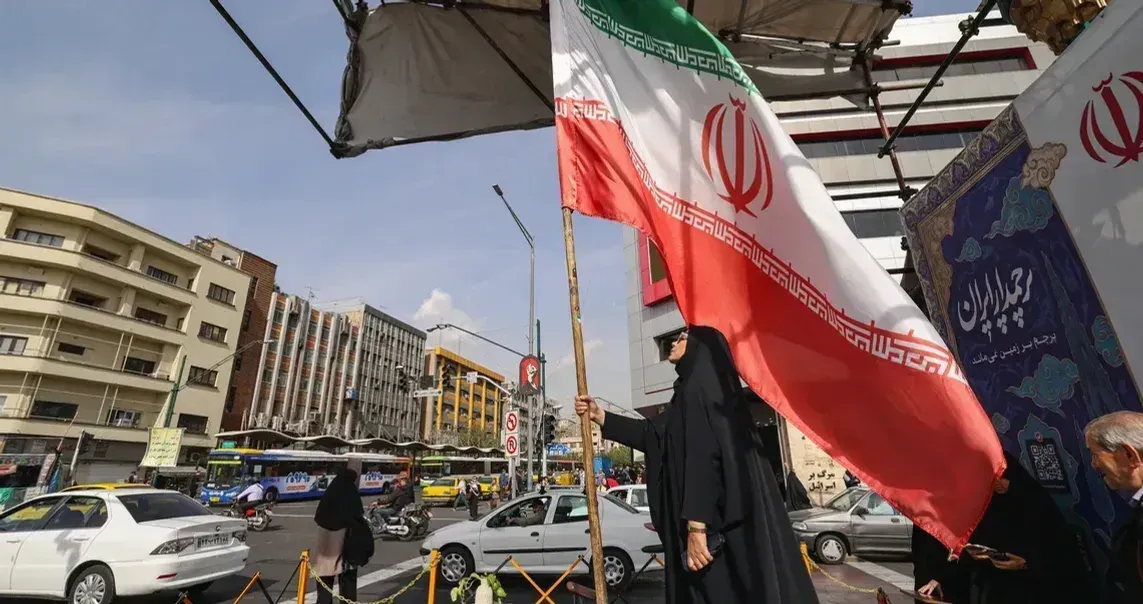
Tehran is claiming that the path toward ending the current conflict now rests entirely with the United States, signaling a readiness to settle provided Washington displays what Iranian Foreign Minister Abbas Araghchi calls political rationality. Through mediators in Qatar and Pakistan, Iran has intensified its diplomatic efforts, even proposing a drastic acceleration of any eventual peace deal. The revised offer suggests shrinking the implementation window from seven days down to just two, with the reopening of the strategically vital Strait of Hormuz occurring on the second day following specific American concessions.
Despite these diplomatic overtures, the situation on the water remains volatile and contradictory. While U.S. Central Command maintains that primary shipping lanes are free and clear, reports from the ground paint a far more chaotic picture. Iran recently claimed that eleven tankers caught fire within a single nine day span, including a most recent incident where a vessel allegedly struck a sea mine. These assertions align with data from the UK navy’s Maritime Trade Operations center, which reported a record thirty attacks on commercial vessels throughout October, suggesting that the risk to global energy shipments remains severe regardless of official U.S. optimism.
The stakes for Tehran include significant demands such as the release of frozen financial assets and an end to various sanctions and naval blockades. Furthermore, Iran is insisting on a cessation of hostilities across multiple fronts, specifically mentioning conflicts involving Israel, Hezbollah, and Hamas. In exchange for these terms, Tehran has promised to restore normal commercial traffic through the strait and enter into renewed discussions regarding its nuclear program. However, Araghchi warned that if Washington chooses deception over honest diplomacy, Iran is prepared to respond with force more bitter than anything seen previously.
While geopolitical tensions dominate the headlines, Iran is also grappling with internal instability as winter approaches. First Vice President Mohammad Reza Aref has issued urgent pleas for citizens to conserve natural gas, admitting that imbalances in the national network could lead to widespread shortages during the colder months. This domestic vulnerability adds another layer of urgency to Tehran’s push for a diplomatic resolution that would alleviate economic pressure and stabilize its crippled infrastructure.