Tensions in the Middle East reached a fever pitch this weekend as Iran claimed to have shot down an American Predator drone for the second consecutive day. According to the Islamic Revolutionary Guard Corps, the unmanned aircraft was downed over Qeshm Island using a newly deployed air defense system. This latest incident adds to a staggering toll of aerial losses for the United States since open conflict erupted in February, with congressional reports indicating that dozens of Reaper and Predator drones have been lost at a cost reaching into the billions of dollars.
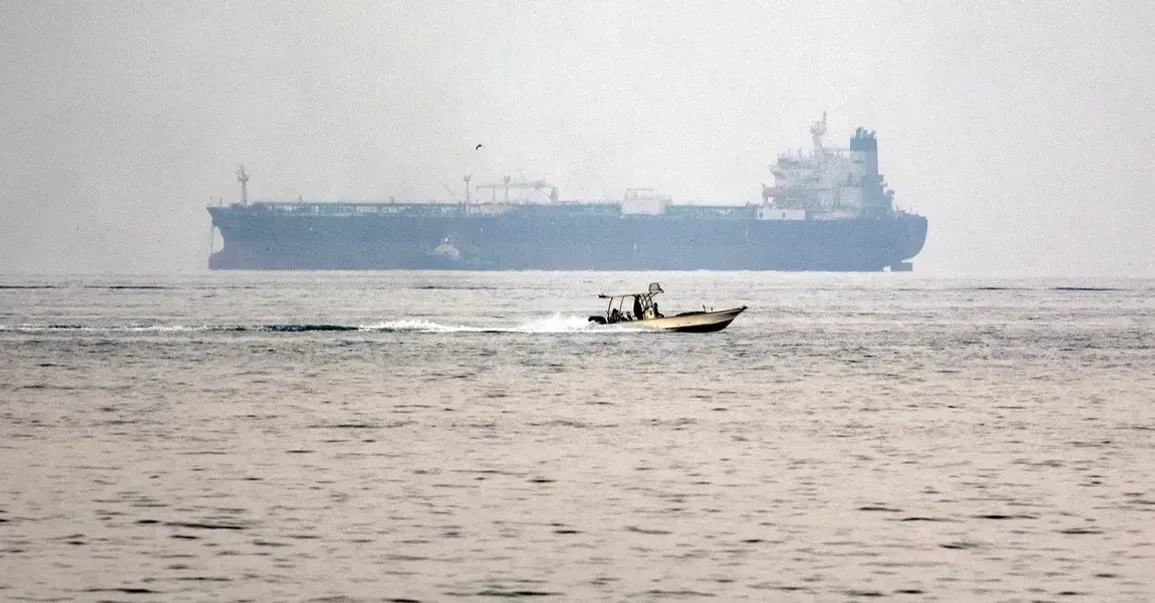
The volatility extends beyond the skies and into the strategic waters of the Strait of Hormuz. Tehran reported that three oil tankers, including one supertanker, caught fire after striking naval mines. Iranian officials alleged that these vessels were attempting to navigate the waterway secretly without official authorization by switching off their radar and positioning systems. While Washington maintains that its military has cleared primary shipping lanes of explosives, it continues to enforce a naval blockade on Iranian ports in response to Tehran’s attempts to choke off global trade routes.
As the physical conflict intensifies, diplomatic efforts appear to be stalling. Global markets reacted sharply following comments from President Trump suggesting that a formal deal to end the war may be unnecessary, causing Brent crude prices to fluctuate around ninety five dollars a barrel. These energy spikes are contributing to stubborn wholesale inflation, squeezing household budgets as the rising cost of diesel drives up prices for essential goods like food and clothing worldwide.
Meanwhile, the ripple effects of the regional instability are devastating civilian populations elsewhere, particularly in Yemen. A United Nations spokesperson issued an urgent plea for an end to strikes on non combatants after airstrikes on a market in Taiz province left dozens dead. Amidst this chaos, Turkey and Qatar have moved toward closer security cooperation, signing a mutual defense agreement in Istanbul aimed at preventing further escalation in the Gulf through combined diplomatic pressure and military alignment.