The United States government is betting heavily on a massive shift in energy infrastructure to neutralize Iran’s influence over the Strait of Hormuz. Treasury Secretary Scott Bessent recently claimed that the critical waterway will become irrelevant within two years, predicting that up to 70 percent of energy products currently shipped through the strait will instead move via underground pipelines. This optimistic outlook accompanies a new wave of economic sanctions intended to loosen Tehran’s grip on the shipping route, effectively treating the strategic chokepoint as just another body of water.
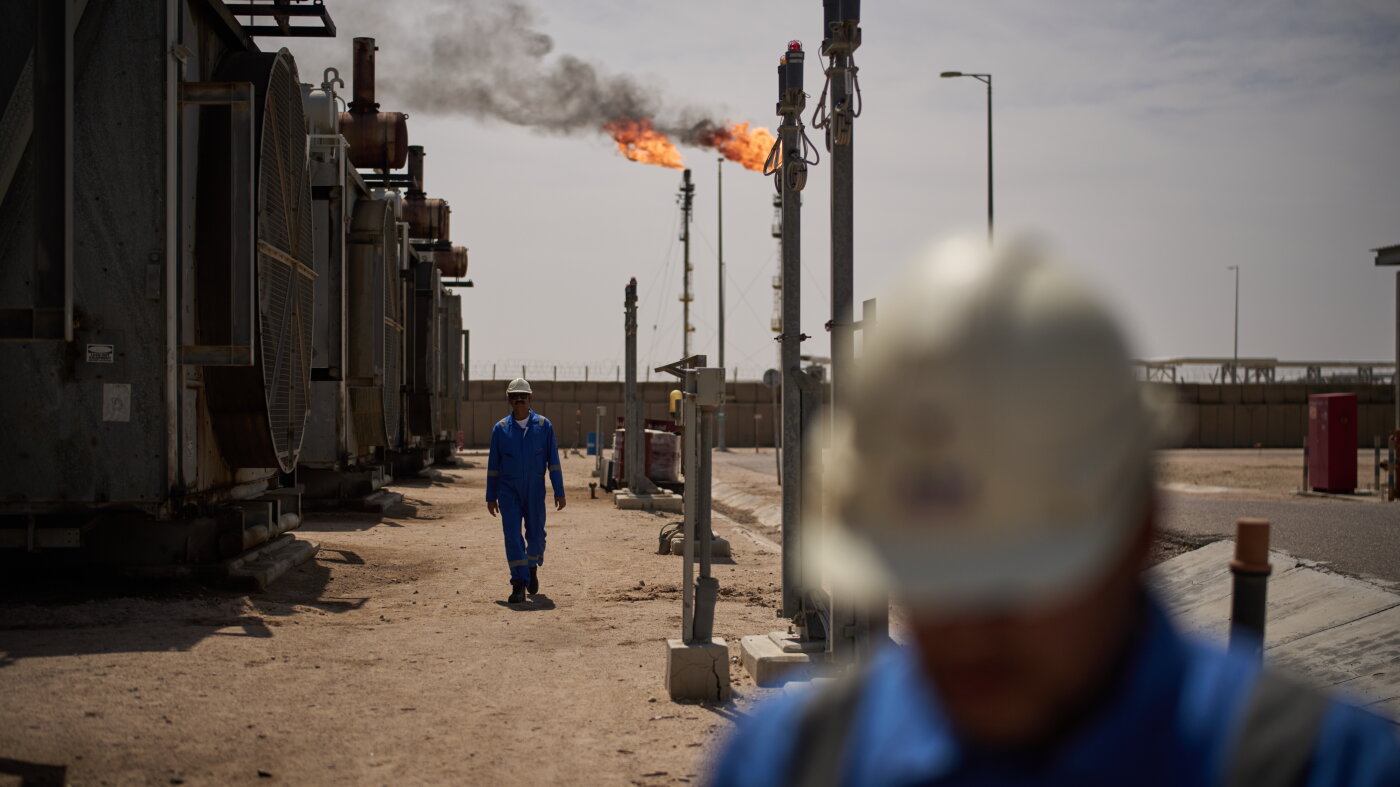
However, seasoned energy analysts and international organizations are pushing back against this narrative, warning that such a transition is practically impossible in the short term. While the United Arab Emirates expects a three billion dollar pipeline expansion to open next year, larger projects like those planned by Saudi Arabia are expected to take much longer. Rebecca Schulz of the International Energy Agency notes that even after these projects are completed, millions of barrels of oil per day will still rely on the strait to maintain pre-war export levels. Experts suggest this gap in capacity will likely keep consumer energy prices high for the foreseeable future.
Critics argue that calling the most important maritime chokepoint on earth irrelevant is a dangerous overstatement. Robert McNally, a former national security official and current analyst at Rapidan Energy Group, points out that redirecting flow does not eliminate risk, noting that Iran has already shown an ability to target alternative routes and terminals. Furthermore, certain critical resources like liquefied natural gas simply cannot be moved through pipes, leaving major producers like Qatar dependent on sea lanes regardless of how many oil pipelines are constructed across the desert.
Beyond the engineering challenges, geopolitical tensions continue to undermine any attempt at a quick fix. Efforts to find alternative exits through Bab el-Mandeb have been hampered by Houthi rebel attacks in the Red Sea, and Iraqi plans for pipelines into Turkey and Jordan remain stalled by diplomatic disputes and internal conflict. As talks between Washington and Tehran break down, specialists warn that while bypass routes provide some relief during crises, they are merely partial solutions that cannot replace a durable regional peace treaty.