
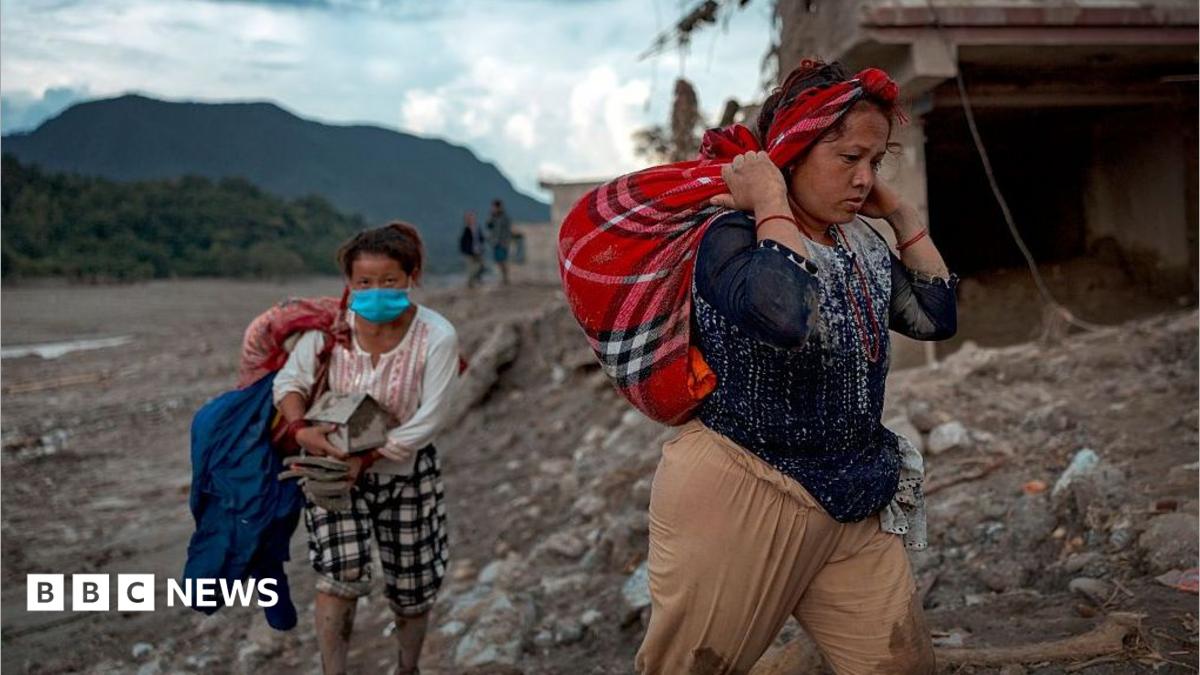
Nepal is grappling with its worst disaster in over a decade after a catastrophic glacial collapse triggered massive flash floods and landslides, leaving at least 734 people dead. The tragedy has spilled across borders, with Chinese authorities confirming 16 deaths and more than 540 people missing in Tibet, including hundreds of foreign nationals from over twenty different countries. Rescue teams are currently combing through thick mud and debris near the Gyirong Port crossing, though officials admit they have yet to find any survivors in that sector.
The scale of the devastation is compounded by a geography that makes survival nearly impossible for some. Many victims remain trapped inside hydropower tunnels in northern Nepal, where walls of sludge have blocked entry for emergency crews. While India and China have deployed expert teams to assist, and the United States has pledged millions in humanitarian aid, getting these resources to the affected populations remains a logistical nightmare. United Nations resident coordinator Lila Pieters Yahia noted that the rugged terrain has made access extremely difficult, forcing the government to rely heavily on helicopters and consider the use of drones for deliveries.
Adding to the desperation is a relentless weather system that shows no sign of letting up. A yellow rain warning remains in effect until at least Monday, threatening to trigger further mudslides and hindering aerial operations. For the families of those still missing, the passing time is agonizing; as search efforts enter their fifth day, many say they are beginning to prepare for the worst despite the thousands who have already been successfully rescued from the wreckage.
Environmental experts suggest this catastrophe is a grim reflection of a warming planet. Recent data indicates that ice loss rates in the Himalayas have doubled since 2000, leading to thinner glaciers and unstable mountain slopes that act less like solid rock and more like crumbling ruins. Scientists explain that when glaciers disintegrate or glacial lakes burst due to accelerated melting, it creates a domino effect of rockfalls and debris floods downstream. In this instance, drone footage captured the precise moment of collapse near Langtang Lirung peak, sending a wall of water surging down the Trishuli river toward unsuspecting villages below.