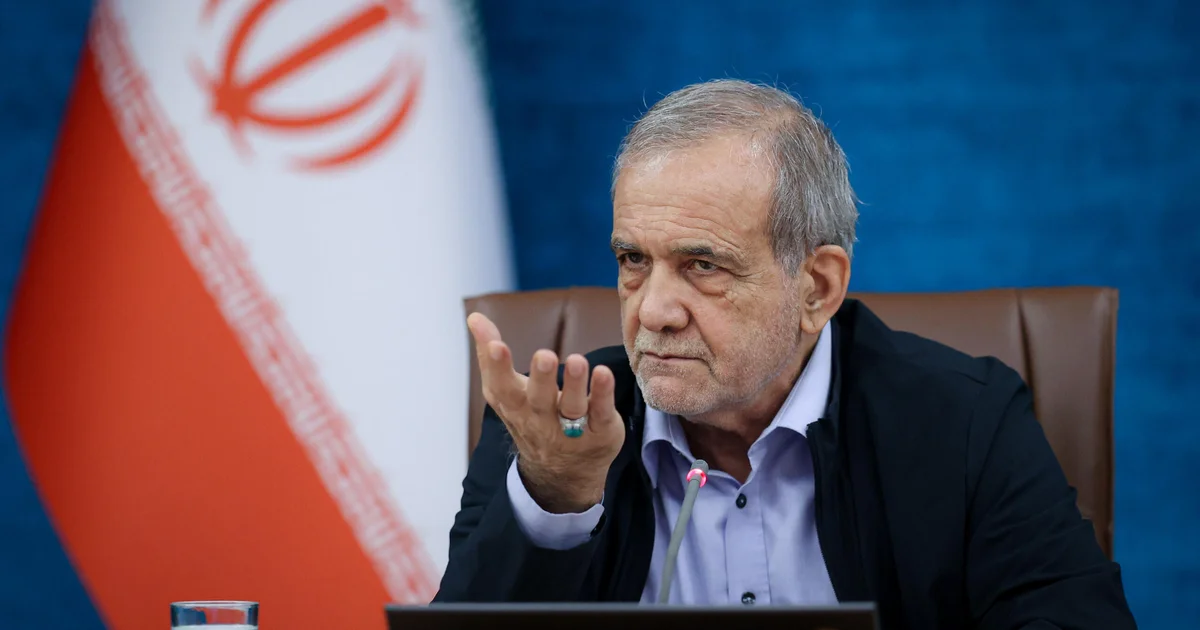
Tehran has declared a definitive victory in its conflict with the United States, with President Masoud Pezeshkian asserting that the global community now recognizes Iran as the winner while viewing the U.S. with disdain. This bold claim comes as the Trump administration pivots toward what it describes as an unprecedented campaign of economic warfare. Promising an economic D Day, Washington aims to isolate Iran financially to force a total shutdown of its nuclear program and ensure the unrestricted flow of oil and gas through the strategically vital Strait of Hormuz.
Despite these escalating tensions, diplomatic channels remain open behind the scenes. Egypt is attempting to act as a mediator, with top diplomats from Cairo and Tehran recently discussing ways to bring both nations back to the negotiating table. These conversations focused on reviving a previous memorandum of understanding and managing stability in the Strait of Hormuz via Omani intermediaries. Simultaneously, Iran’s parliament speaker suggested that several neighboring countries are seeking new regional security arrangements, arguing that U.S. influence has placed its own allies at undue risk.
While diplomacy flickers, rhetoric remains volatile across the Gulf. An Iranian official warned that U.S. allies hosting American military assets, including Qatar, Kuwait, and the Emirates, could become legitimate targets if they continue to serve as enemy bunkers. This threat follows a pattern of retaliatory strikes that have already claimed lives at airbases in Jordan and operations centers in Kuwait, keeping regional nerves on edge even as France and Saudi Arabia coordinate plans to bypass the Persian Gulf entirely through new pipelines and rail links.
The ripples of this confrontation are being felt far beyond the Middle East, triggering significant economic instability globally. In Europe, six nations are pushing for a windfall tax on oil companies whose profits have surged amidst the turmoil. Finance ministers from Germany, Italy, and Spain among others argue that energy firms should not be allowed to rip off consumers during a massive supply shock, urging those excessive crisis profits be returned to citizens struggling with a rising cost of living worldwide.