
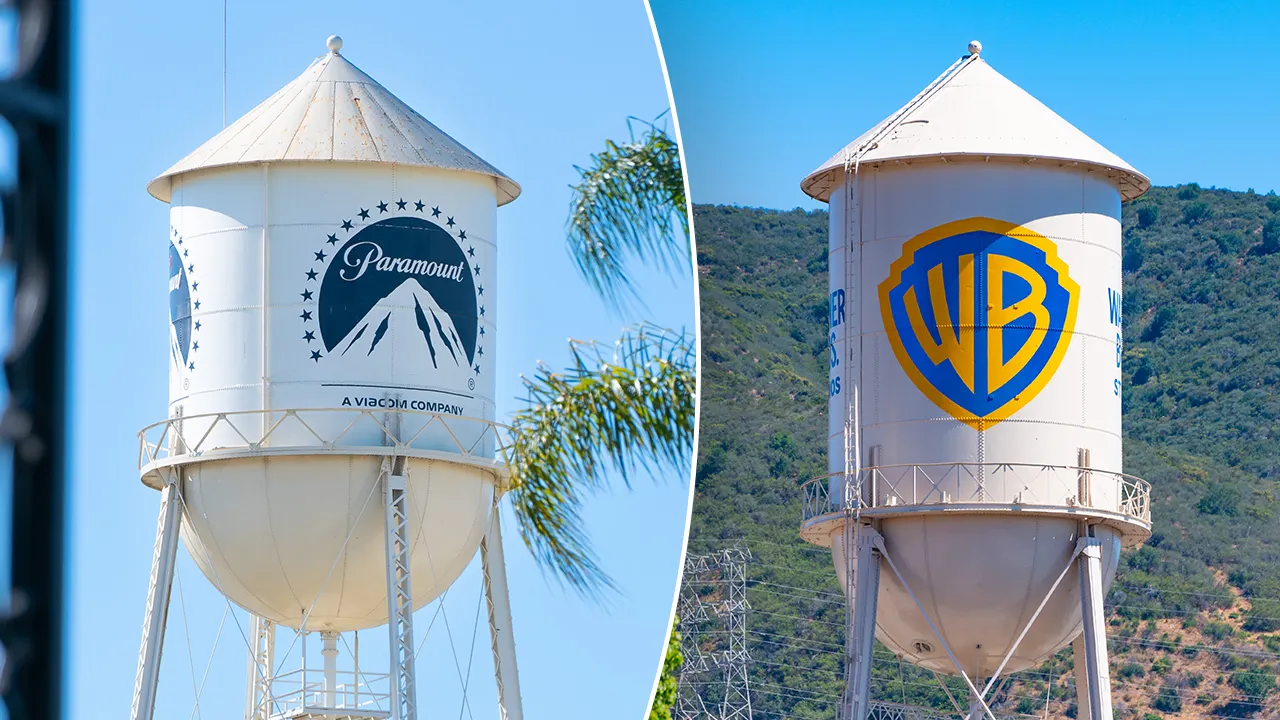
Lawyers for Paramount and representatives from California Attorney General Rob Bonta’s office are expected to sit down this Monday to explore a potential resolution regarding the massive one hundred ten billion dollar acquisition of Warner Bros. Discovery. The meeting follows months of legal tension and arrives as both sides weigh whether a compromise can be reached before the matter heads to a full scale trial. Currently, the entire transaction is frozen under a court agreement that prevents the companies from closing the deal or integrating their operations until further notice.
At the heart of the conflict is a lawsuit filed in July by Bonta and a coalition of eleven other state attorneys general who argue that the merger would essentially stifle competition across Hollywood. State officials claim that combining two of the five major film distributors would grant the new entity far too much power over wide release theatrical films and basic cable programming licenses. By their calculations, the merged company would control nearly thirty percent of anticipated top grossing films, leading Bonta to describe the proposed move as an illegal merger.
On the other hand, Paramount and Warner Bros. Discovery maintain that joining forces is exactly what they need to survive in a volatile and rapidly shifting media landscape. Executives argue that creating a larger global competitor would actually strengthen the industry rather than weaken it, promising that both studios would remain intact and continue producing at least thirty theatrical movies every year. While they reject the claims of monopoly power, they seem open to negotiating terms that could satisfy regulators without killing the deal entirely.
Attorney General Bonta recently hinted at his willingness to find common ground during an interview with CNBC, though he made it clear that any settlement would require robust structural remedies to ensure fair market play. He noted that resolving these disputes in boardrooms is always preferable to fighting them out in court. However, if no agreement is reached soon, both parties are staring down a twelve day antitrust trial scheduled for March 2027, leaving billions of dollars in limbo for years to come.