
The Federal Reserve broke a long streak of stability on Wednesday, raising its benchmark interest rate by 0.25 percent for the first time since 2023. The move pushes the flagship rate into a range between 3.75 and 4.00 percent, a decision made unanimously by policymakers who are grappling with a resurgence of inflation. While the central bank aims to steer inflation back toward its 2 percent goal, officials signaled that this may not be a one-time event, with most members forecasting at least one more hike before the year concludes.
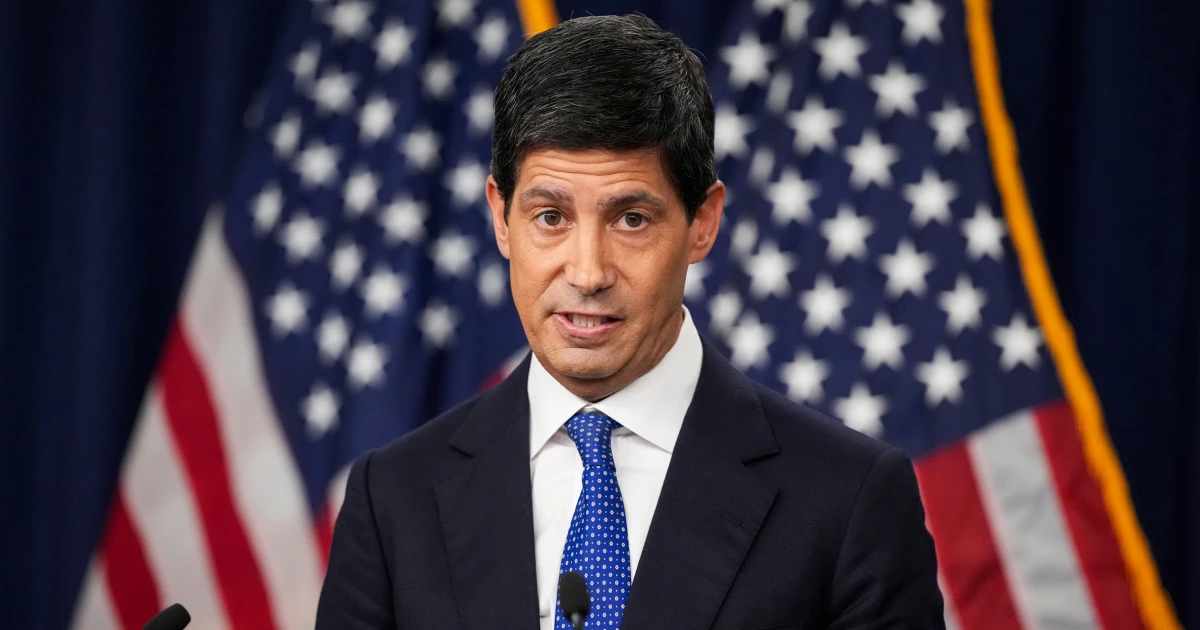
This policy shift sets the Fed on a direct collision course with President Donald Trump, who has spent years demanding lower borrowing costs to stimulate the economy. Shortly after the announcement, Trump took to social media to demand that rates be lowered fast, suggesting they should sit at 1 percent or less due to what he called the best credit in the world. Despite these pressures, Fed Chairman Kevin Warsh remained firm during a Washington press conference, stating plainly that inflation has remained too high for too long and insisting that the current economic data did not justify keeping rates steady.
Much of the inflationary pressure stems from geopolitical instability, specifically the ongoing war with Iran which has sent oil and gasoline prices soaring by more than 45 percent since February. With overall inflation hitting 3.4 percent in August—surpassing average wage growth—Warsh acknowledged that while the Fed cannot control the specific cost of oil or groceries, it must act to prevent those price hikes from bleeding into other sectors of the economy. When asked directly about his message to the president regarding this defiance, Warsh declined to comment on any discussions with the White House, emphasizing instead that the committee intends to stay in its own lane.
Wall Street reacted sharply to the news as initial gains evaporated throughout Wednesday’s session. The Dow plummeted by 630 points, dragged down by losses in heavy hitters like Boeing and Goldman Sachs, while the S&P 500 closed slightly lower. Beyond stocks, treasury bond yields remain near historic highs, driven by a combination of domestic economic strength and intense competition for capital fueled by the boom in artificial intelligence companies. For now, investors are bracing for a potential new hiking cycle as the Fed prioritizes price stability over political preference.