
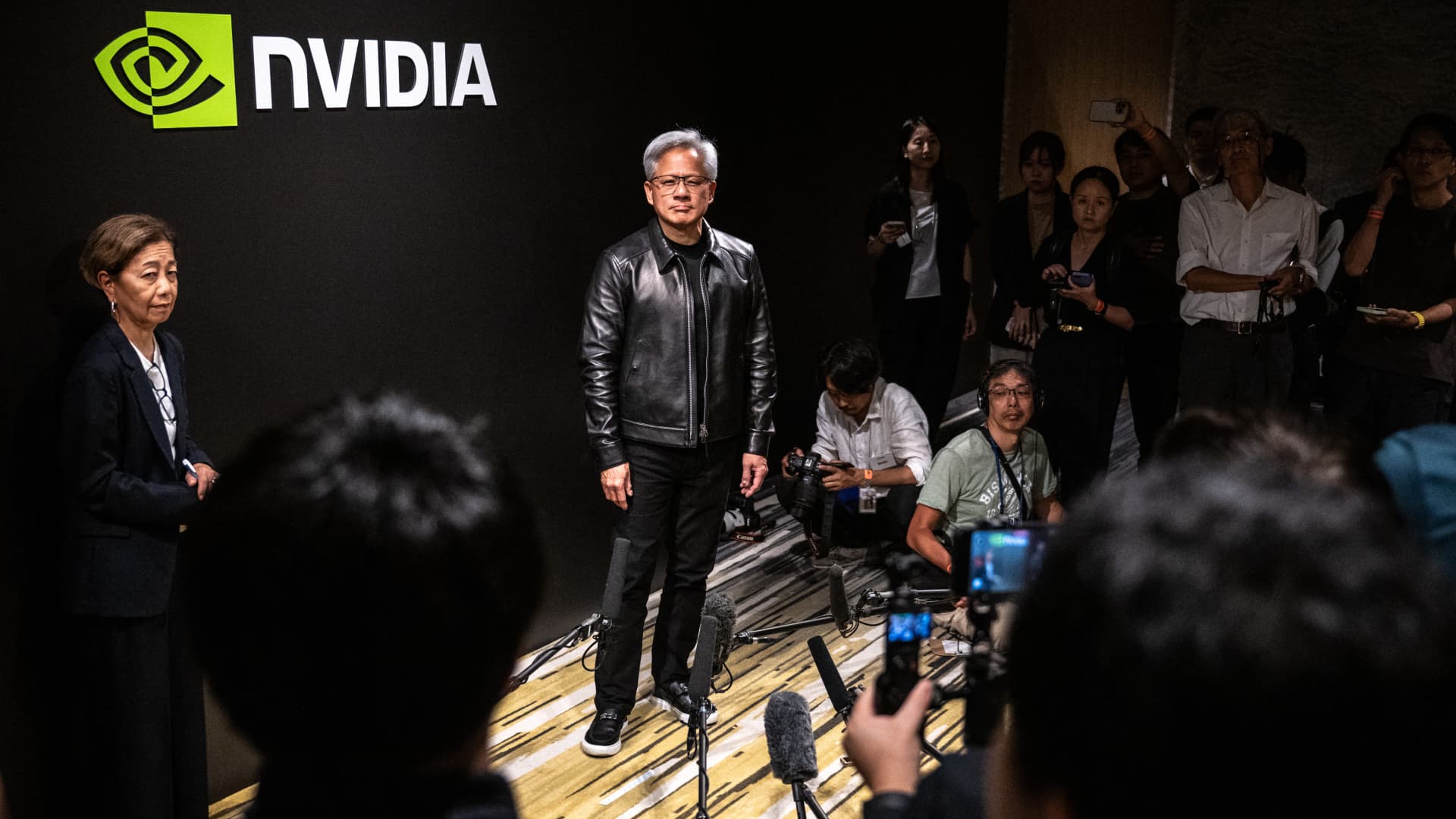
Nvidia has made waves in the financial world by adding 150 billion dollars to its share buyback program, marking what the company describes as the largest increase in history. This move brings the total amount of stock the chipmaker plans to repurchase to 235 billion dollars by January 2028. Speaking with CNBC, CEO Jensen Huang noted that Nvidia expects to generate significant cash in the coming years and views these buybacks as a primary method of returning that wealth to its shareholders.
For many investors, a buyback acts similarly to a dividend in that it returns value to stockholders, but the mechanism is quite different. While a dividend provides direct cash payments, a buyback involves the company purchasing its own shares on the open market. This process reduces the total number of shares in circulation, effectively giving remaining shareholders a larger slice of the corporate pie. Additionally, because there are fewer shares outstanding, earnings per share can increase synthetically, which often makes a stock look more attractive even if actual profits remain flat.
However, financial experts warn that a buyback announcement should be viewed as a receipt rather than a compelling reason to buy into a stock. Certified financial planners point out that while buybacks suggest management believes their stock is undervalued, they don’t guarantee that the company is getting a good deal. If a firm overpays for its own shares or ignores critical investments in research and development to fund repurchases, it could potentially destroy long term value. Furthermore, unlike dividends which carry an expectation of consistency, companies aren’t strictly obligated to complete every authorized buyback.
Ultimately, analysts suggest that savvy investors look beyond the headlines of massive buyback programs and focus on fundamental metrics like free cash flow and revenue growth. It is also crucial to examine whether a company is taking on excessive debt to fund these purchases or simply using them to offset shares issued for employee compensation. While Nvidia’s historic commitment signals immense confidence from its leadership, pros argue that such moves are just one small piece of the puzzle when determining if a stock is truly a sound investment.